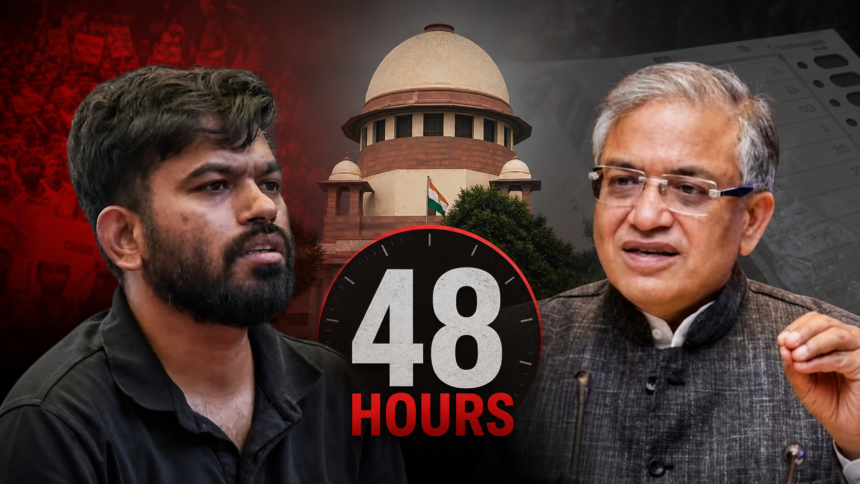
Electoral Row Escalates: CJP Gives CEC Gyanesh Kumar 48-Hour Resignation Ultimatum
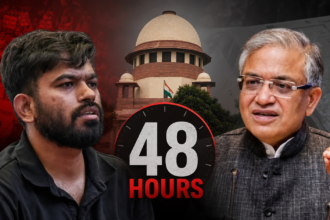
The Electoral Row Escalates as the Cockroach Janta Party (CJP) has demanded the resignation of Chief Election Commissioner Gyanesh Kumar within 48 hours, warning that it will launch a nationwide protest if he does not step down.
The demand was announced at a press conference in New Delhi on September 24, 2026, amid an ongoing controversy surrounding the Election Commission of India (ECI), the Special Intensive Revision (SIR) of electoral rolls and reported differences among Election Commissioners.
CJP Issues 48-Hour Ultimatum
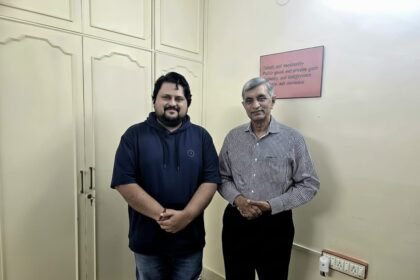
CJP founder and national convenor Abhijeet Dipke, along with co-convenors Saurav Das and Ashutosh Ranka, announced the 48-hour deadline for Gyanesh Kumar.
The organisation said it would begin protests across India if the Chief Election Commissioner did not resign. It also threatened an indefinite sit-in in Delhi, which its leaders referred to as “Jantar Mantar 2.0.”
The organisation also launched a nationwide campaign called “Election Commission Thik Karo”, focusing on what it describes as concerns surrounding the functioning of the poll panel and electoral-roll revision.
What Are CJP’s Demands?
Apart from demanding Gyanesh Kumar’s resignation, CJP has put forward several other demands concerning the electoral process.
According to reports, the organisation has called for:
- Resignation of Chief Election Commissioner Gyanesh Kumar.
- Criminal proceedings against Kumar and individuals whom CJP alleges directed him.
- A temporary halt to upcoming elections.
- A rollback of the ongoing SIR exercise to the January 2025 electoral-roll position.
- Custody of SIR-related files under a Supreme Court-led committee.
- Repeal of the 2023 law governing the appointment of Election Commissioners and creation of a new framework.
These are demands made by CJP and do not represent established findings by the Election Commission or a judicial determination.
SIR Becomes Central to the Dispute
The Special Intensive Revision of electoral rolls is at the centre of the latest dispute.
CJP has raised concerns about names being excluded from draft electoral rolls during the revision exercise and has questioned the mechanisms available for voters to challenge exclusions.
The organisation has cited exclusions across multiple states and Union Territories as part of its argument for greater transparency and review of the process.
The Election Commission, however, has maintained that its processes follow statutory procedures and that its decisions have legal sanction.
Reported Differences Inside Election Commission
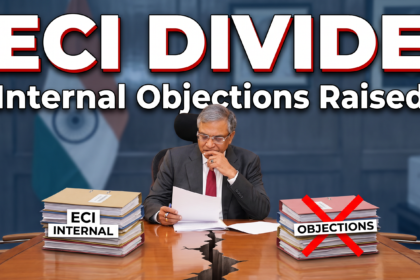
The latest confrontation follows an Indian Express investigation that reported that Election Commissioners Sukhbir Singh Sandhu and Vivek Joshi had recorded objections on at least 14 occasions over a 10-month period.
The reported objections involved issues including voter additions and deletions, changes to Form 6 and the centralisation of electoral-roll data.
The Election Commission has responded that differences of opinion, written observations and internal checks are part of institutional deliberations. It has also said that decisions taken during the period, including those related to SIR, were unanimous.
Nationwide Protest Threat
CJP has said that its nationwide agitation would begin if the 48-hour deadline expires without Kumar resigning.
The organisation has also indicated that a larger protest could subsequently be held in Delhi. Its proposed campaign is expected to focus on electoral-roll revision, voter rights and accountability within the Election Commission.
The announcement adds another layer to an already active public debate over the functioning of the Election Commission and the ongoing SIR exercise.
Political and Legal Debate Continues
The controversy has also attracted attention beyond CJP’s protest plans.
Reports indicate that questions have been raised about the functioning of the three-member Election Commission following the reported objections by the two Election Commissioners. Separately, a legal challenge has been discussed concerning whether decisions were taken in accordance with the institutional role of a multi-member commission.
These issues remain subject to political, institutional and legal debate, while the Election Commission continues to maintain that its decisions have followed the applicable legal framework.
What Happens Next?
The immediate focus is now on the 48-hour deadline announced by CJP.
If the organisation proceeds with its stated plans, protests could take place in multiple parts of the country, followed by a larger demonstration in Delhi. Meanwhile, the Election Commission’s position on SIR and the reported internal objections will remain central to the broader debate.
The developments are unfolding as India prepares for upcoming electoral exercises, making questions around electoral-roll accuracy, voter verification and institutional procedures particularly significant.
Frequently Asked Questions
1. What is the latest Electoral Row Escalates development?
CJP has demanded Chief Election Commissioner Gyanesh Kumar’s resignation within 48 hours and threatened nationwide protests if he does not step down.
2. What does CJP stand for in this controversy?
In the reports covering the September 24 press conference, CJP refers to the Cockroach Janta Party, led by Abhijeet Dipke.
3. Who is Gyanesh Kumar?
Gyanesh Kumar is the Chief Election Commissioner of India and heads the Election Commission of India.
4. Why is CJP demanding his resignation?
CJP has raised allegations concerning voter-roll revisions, the Special Intensive Revision and the functioning of the Election Commission. These are allegations made by the organisation and are not established findings against Kumar.
5. What is the Special Intensive Revision?
The Special Intensive Revision, or SIR, is an Election Commission exercise for revising and verifying electoral rolls.
6. What protest has CJP threatened?
CJP has threatened a nationwide agitation if Gyanesh Kumar does not resign within 48 hours. It has also indicated plans for a major Delhi protest referred to as “Jantar Mantar 2.0.”
7. What is the Election Commission’s response?
The Election Commission has said that differing views and written observations are part of institutional deliberations and has maintained that its decisions, including those concerning SIR, were unanimous and legally sanctioned.
8. What triggered the latest controversy?
The latest escalation followed reports that Election Commissioners Sukhbir Singh Sandhu and Vivek Joshi had recorded objections on at least 14 occasions concerning decisions and processes within the poll panel.
9. What other demands has CJP made?
CJP has also called for a halt to upcoming elections, changes to the SIR process, review of SIR-related records and repeal of the existing law governing the appointment of Election Commissioners.
10. What happens after the 48-hour deadline?
CJP has said it will begin nationwide protests if its demand is not met. Whether and how those protests proceed will depend on developments following the ultimatum.